

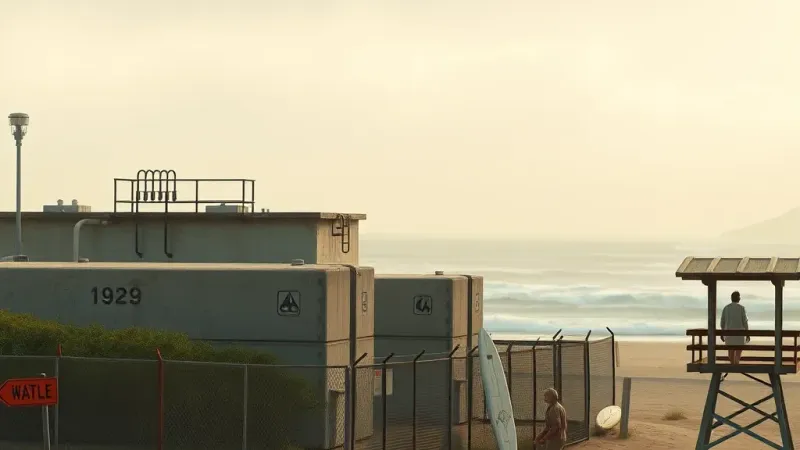
Spent nuclear fuel currently remains stored at San Onofre beach as plant decommissioning and removal efforts continue along the South Orange County coast. San Onofre operations ceased in twenty thirteen, and officials noted that plant decommissioning started in twenty twenty.
During the ongoing dismantling process across the site, seven hundred million tons of building material have been removed from the facility. Additionally, an Atlas Railcar System cost thirty-three million dollars and took ten years to develop for handling logistics associated with the location.
To address the persistent storage issue, legislation titled the Spent Fuel Prioritization Act was put forward by Rep. Mike Levin alongside co-authors including Rep. Darrell Issa and Rep. Young Kim to establish nuclear waste campuses. As a local news report described, Rep. Mike Levin stated, "Since I’ve been in Congress, getting this spent nuclear fuel off our coast has been one of my top priorities." Rep. Mike Levin also told a local news report, "I have been in this fight for eight years, fighting the status quo of inaction on spent nuclear fuel."
Finding a new permanent home for the material has faced decades of political and regulatory hurdles. The federal government previously designated Yucca Mountain as permanent storage for the nation's nuclear waste. However, Barack Obama cancelled the Yucca Mountain plan in twenty ten, leaving the radioactive material stranded at temporary sites across the country, including the San Onofre beach location.
As part of the renewed push by Rep. Mike Levin and federal agencies to find a willing host community, The Department of Energy has identified Utah, Tennessee, Oklahoma, Louisiana and Idaho as potential hosts for future nuclear waste storage facilities. Whether another community will ultimately agree to take the waste from San Onofre remains uncertain as local leaders and federal representatives continue their ongoing efforts to clear the coast.